Critical Areas Ordinance (CAO)

Share Critical Areas Ordinance (CAO) on Facebook Share Critical Areas Ordinance (CAO) on Twitter Share Critical Areas Ordinance (CAO) on Linkedin Email Critical Areas Ordinance (CAO) link

The Critical Areas Ordinance (CAO) is a set of development regulations that all cities and counties in Washington State are required to adopt and enforce under the state’s Growth Management Act (GMA). The GMA requires that all critical areas be designated and that all functions and values of critical areas be protected (RCW 36.70A.172). The CAO is designed to protect specific environmentally sensitive areas and safeguard the public from natural hazards such as floods and landslides. The purpose of the proposed code amendment is to align the city’s CAO with current state law and incorporate best available science (BAS) ahead of the year-end deadline.

Every ten years, counties and cities are required to take legislative action to review and, if needed, revise their comprehensive land use plans and development regulations to ensure the plans and regulations comply with the requirements of the GMA.

What is a Critical Area?
Critical areas include wetlands, streams, lakes, steep slopes, fish and wildlife habitats, flood zones, and Wellhead Protection Areas. These are defined in RMC 4-11-030.
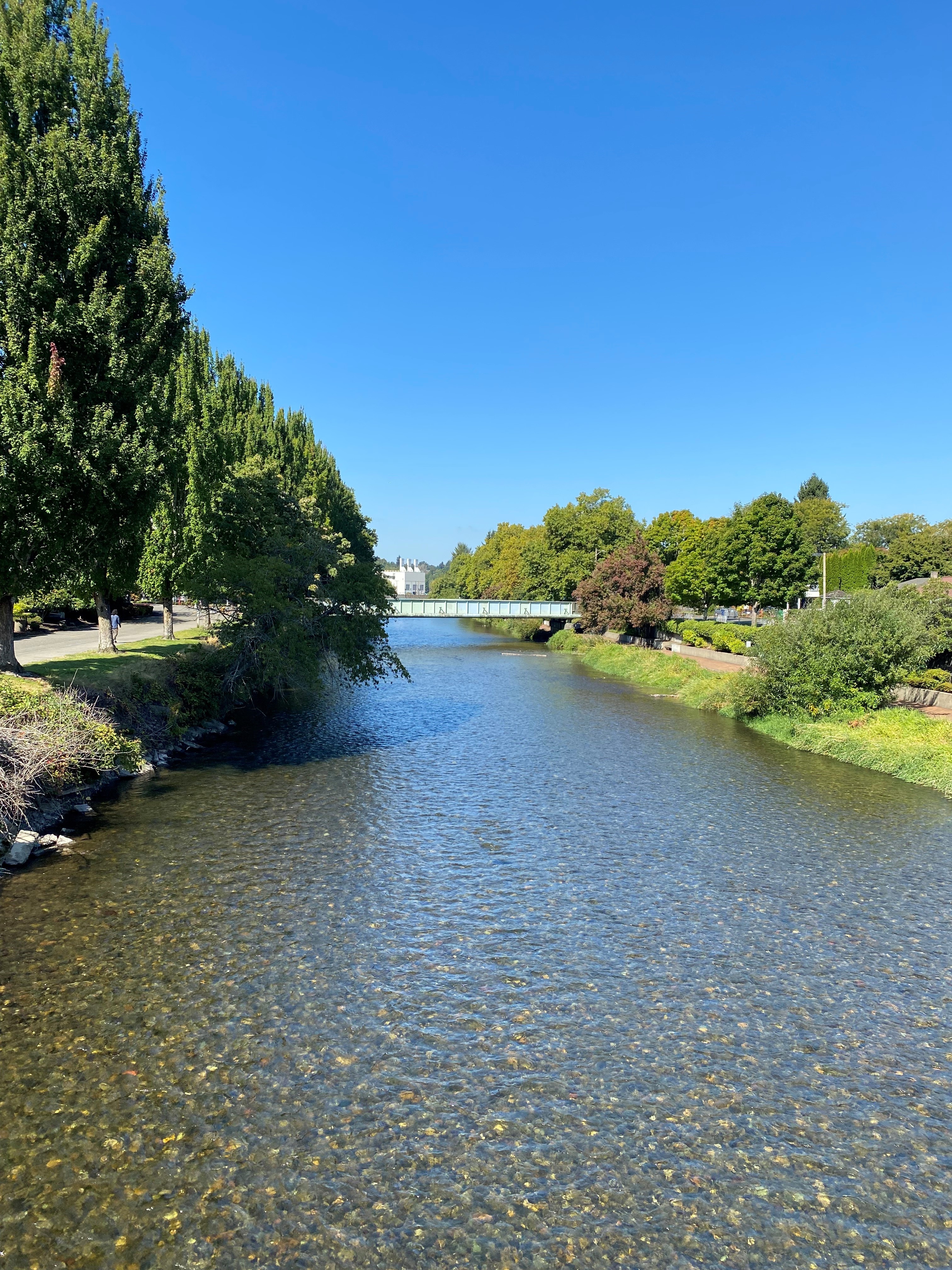

Cedar River, Renton, WA 2023

Why does Renton have Critical Areas Regulations?

  • Protect nature and wildlife
    Manage development to protect environmental quality, support a variety of species and habitats, and restore damaged natural areas whenever possible.

  • Keep people and property safe
    Prevent issues such as flooding, landslides, and hazards associated with old coal mines.

  • Ensure activities don’t harm Critical Areas or public safety
    Ensure that any activity in or near Renton's critical areas does not threaten public safety, cause nuisance, or harm the essential functions of these areas—such as preventing floods, maintaining water quality, and providing habitat.

  • Follow state and local laws
    Ensure Renton meets the requirements of the Growth Management Act, the State Environmental Policy Act, and the city's Comprehensive Plan.

  • Guide smart development
    Provide city staff with the necessary information to review and make informed decisions about projects in close proximity to critical areas, enabling us to strike a balance between growth and environmental protection.

  • Protect our rivers and streams
    Take care of places like the Cedar River and other local waterways, ensuring they remain healthy for fish, wildlife, and our community.
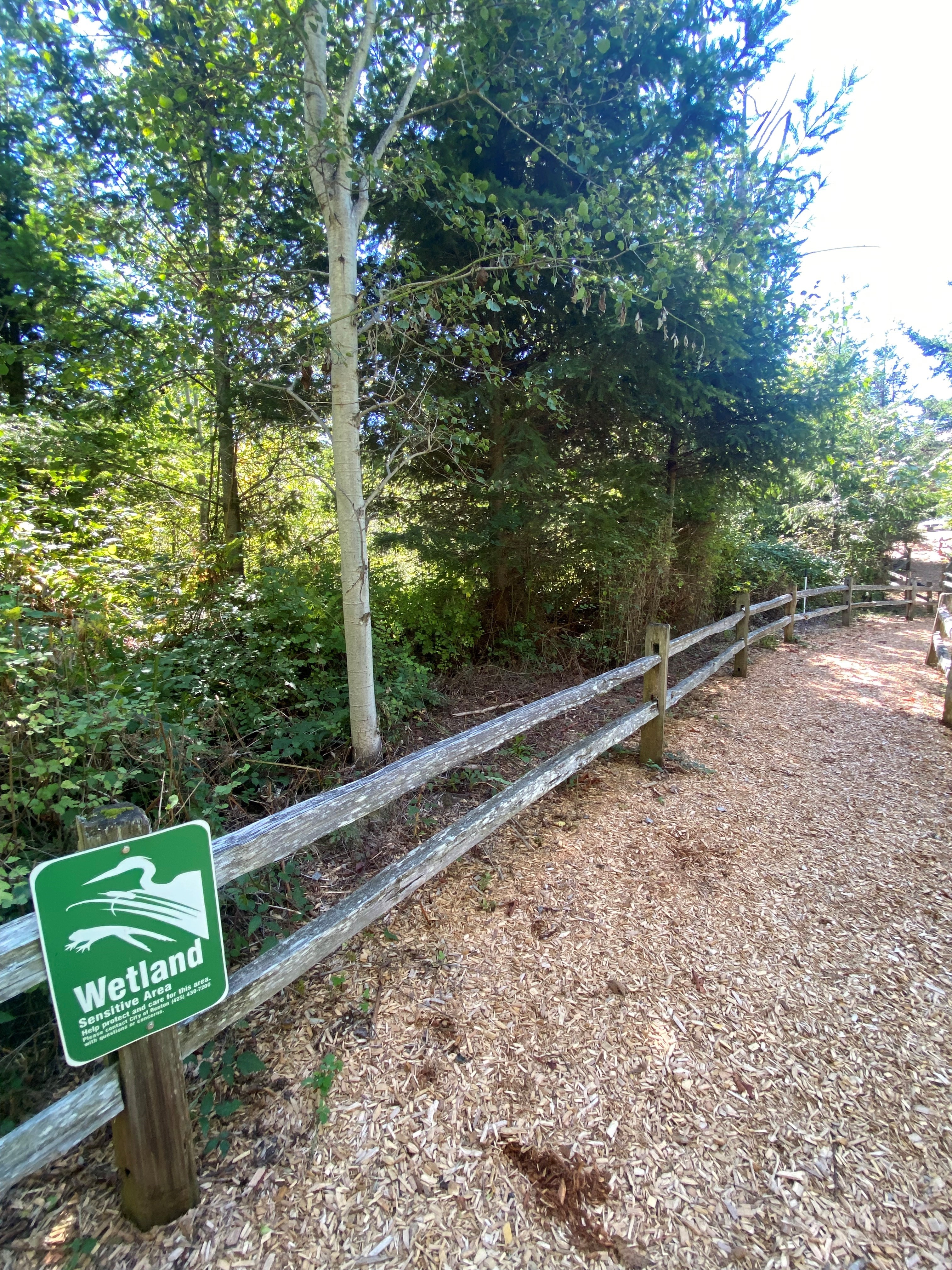

Wetland Signage, Renton, WA 2024

Why are updates to Critical Areas Regulations important?
Washington’s Growth Management Act (GMA) requires cities and counties to periodically review and update their critical areas ordinances to reflect best available science and current state guidelines. These updates must take into account new research on environmental risks, species protection, and mitigation strategies. Cities in Washington periodically update their critical areas codes mainly to comply with mandatory state law reviews, reflect advancements in science, and address local environmental and safety concerns.

The proposed revisions to the CAO are based on the latest scientific data. While the code details are still being finalized, the substantial anticipated updates include:

  • Streamlined code language: Clarifying regulatory terms, updating definitions, and ensuring references are consistent with current state law and scientific standards.
  • Addition of Channel Migration Zone (CMZ) regulations from the SMP: The provisions to address how river and stream channels may shift over time, better protecting public safety and natural habitats.
  • Wetlands alignment: Modifying requirements and standards to ensure Renton's regulations match the most recent state guidance on wetlands protection.

The Critical Areas Ordinance (CAO) is a set of development regulations that all cities and counties in Washington State are required to adopt and enforce under the state’s Growth Management Act (GMA). The GMA requires that all critical areas be designated and that all functions and values of critical areas be protected (RCW 36.70A.172). The CAO is designed to protect specific environmentally sensitive areas and safeguard the public from natural hazards such as floods and landslides. The purpose of the proposed code amendment is to align the city’s CAO with current state law and incorporate best available science (BAS) ahead of the year-end deadline.

Every ten years, counties and cities are required to take legislative action to review and, if needed, revise their comprehensive land use plans and development regulations to ensure the plans and regulations comply with the requirements of the GMA.

What is a Critical Area?
Critical areas include wetlands, streams, lakes, steep slopes, fish and wildlife habitats, flood zones, and Wellhead Protection Areas. These are defined in RMC 4-11-030.


Cedar River, Renton, WA 2023

Why does Renton have Critical Areas Regulations?

  • Protect nature and wildlife
    Manage development to protect environmental quality, support a variety of species and habitats, and restore damaged natural areas whenever possible.

  • Keep people and property safe
    Prevent issues such as flooding, landslides, and hazards associated with old coal mines.

  • Ensure activities don’t harm Critical Areas or public safety
    Ensure that any activity in or near Renton's critical areas does not threaten public safety, cause nuisance, or harm the essential functions of these areas—such as preventing floods, maintaining water quality, and providing habitat.

  • Follow state and local laws
    Ensure Renton meets the requirements of the Growth Management Act, the State Environmental Policy Act, and the city's Comprehensive Plan.

  • Guide smart development
    Provide city staff with the necessary information to review and make informed decisions about projects in close proximity to critical areas, enabling us to strike a balance between growth and environmental protection.

  • Protect our rivers and streams
    Take care of places like the Cedar River and other local waterways, ensuring they remain healthy for fish, wildlife, and our community.


Wetland Signage, Renton, WA 2024

Why are updates to Critical Areas Regulations important?
Washington’s Growth Management Act (GMA) requires cities and counties to periodically review and update their critical areas ordinances to reflect best available science and current state guidelines. These updates must take into account new research on environmental risks, species protection, and mitigation strategies. Cities in Washington periodically update their critical areas codes mainly to comply with mandatory state law reviews, reflect advancements in science, and address local environmental and safety concerns.

The proposed revisions to the CAO are based on the latest scientific data. While the code details are still being finalized, the substantial anticipated updates include:

  • Streamlined code language: Clarifying regulatory terms, updating definitions, and ensuring references are consistent with current state law and scientific standards.
  • Addition of Channel Migration Zone (CMZ) regulations from the SMP: The provisions to address how river and stream channels may shift over time, better protecting public safety and natural habitats.
  • Wetlands alignment: Modifying requirements and standards to ensure Renton's regulations match the most recent state guidance on wetlands protection.

What questions do you have?

loader image
Didn't receive confirmation?
Seems like you are already registered, please provide the password. Forgot your password? Create a new one now.
  • Share Please send proposed updates to Critical Areas as it pertains to waterways so I can read it before the hearing. on Facebook Share Please send proposed updates to Critical Areas as it pertains to waterways so I can read it before the hearing. on Twitter Share Please send proposed updates to Critical Areas as it pertains to waterways so I can read it before the hearing. on Linkedin Email Please send proposed updates to Critical Areas as it pertains to waterways so I can read it before the hearing. link

    Please send proposed updates to Critical Areas as it pertains to waterways so I can read it before the hearing.

    MJ2 asked 4 months ago

    Hello,

    At this time, the draft code amendments are available at this link: Critical Areas Ordinance. Staying up to date with the Your Voice Renton page will provide the most up-to-date information to refer to on where we are at with the process. Please feel free to reach out for any other questions.


    Thank you

  • Share Hi, Will you please include invasive plant management? Knot weed and blackberry are overtaking my yard and the land adjacent to a wetland. The city, landlord, and my HOA need clarity on who manages that parcel. And ways other than use of poison because I grow food. Are there talks around reparations for John Houston and his family for the eminant domain that took their land for the school district, but it is a wetland intead? Please reach out to them and figure out a healing of harms. Thank you. on Facebook Share Hi, Will you please include invasive plant management? Knot weed and blackberry are overtaking my yard and the land adjacent to a wetland. The city, landlord, and my HOA need clarity on who manages that parcel. And ways other than use of poison because I grow food. Are there talks around reparations for John Houston and his family for the eminant domain that took their land for the school district, but it is a wetland intead? Please reach out to them and figure out a healing of harms. Thank you. on Twitter Share Hi, Will you please include invasive plant management? Knot weed and blackberry are overtaking my yard and the land adjacent to a wetland. The city, landlord, and my HOA need clarity on who manages that parcel. And ways other than use of poison because I grow food. Are there talks around reparations for John Houston and his family for the eminant domain that took their land for the school district, but it is a wetland intead? Please reach out to them and figure out a healing of harms. Thank you. on Linkedin Email Hi, Will you please include invasive plant management? Knot weed and blackberry are overtaking my yard and the land adjacent to a wetland. The city, landlord, and my HOA need clarity on who manages that parcel. And ways other than use of poison because I grow food. Are there talks around reparations for John Houston and his family for the eminant domain that took their land for the school district, but it is a wetland intead? Please reach out to them and figure out a healing of harms. Thank you. link

    Hi, Will you please include invasive plant management? Knot weed and blackberry are overtaking my yard and the land adjacent to a wetland. The city, landlord, and my HOA need clarity on who manages that parcel. And ways other than use of poison because I grow food. Are there talks around reparations for John Houston and his family for the eminant domain that took their land for the school district, but it is a wetland intead? Please reach out to them and figure out a healing of harms. Thank you.

    denarosko_9718 asked 4 months ago

    Hello,

    Thank you for your questions. Invasive plant management is primarily handled by the King County Noxious Weed Control Program. You will want to contact them to report any regulated invasive plants throughout the county, including Renton. Routine vegetation management on an undeveloped property without a routine vegetation management permit is prohibited. Any person who performs routine vegetation management, as defined in RMC 4-11-180, Definitions R, on undeveloped property in the City must obtain a routine vegetation management permit prior to performing such work. As for the question regarding the school district, the individual would need to reach out to the School District directly for questions that pertain to that specific instance.

    For any questions regarding a Routine Vegetation Management Permit please refer to the Planning Customer Service, they can be reached at planningcustomerservice@rentonwa.gov or by phone at (425) 430-7294

Page last updated: 21 Nov 2025, 10:23 AM