Critical Areas Ordinance (CAO)

Share Critical Areas Ordinance (CAO) on Facebook Share Critical Areas Ordinance (CAO) on Twitter Share Critical Areas Ordinance (CAO) on Linkedin Email Critical Areas Ordinance (CAO) link

The Critical Areas Ordinance (CAO) is a set of development regulations that all cities and counties in Washington State are required to adopt and enforce under the state’s Growth Management Act (GMA). The GMA requires that all critical areas be designated and that all functions and values of critical areas be protected (RCW 36.70A.172). The CAO is designed to protect specific environmentally sensitive areas and safeguard the public from natural hazards such as floods and landslides. The purpose of the proposed code amendment is to align the city’s CAO with current state law and incorporate best available science (BAS) ahead of the year-end deadline.

Every ten years, counties and cities are required to take legislative action to review and, if needed, revise their comprehensive land use plans and development regulations to ensure the plans and regulations comply with the requirements of the GMA.

What is a Critical Area?
Critical areas include wetlands, streams, lakes, steep slopes, fish and wildlife habitats, flood zones, and Wellhead Protection Areas. These are defined in RMC 4-11-030.
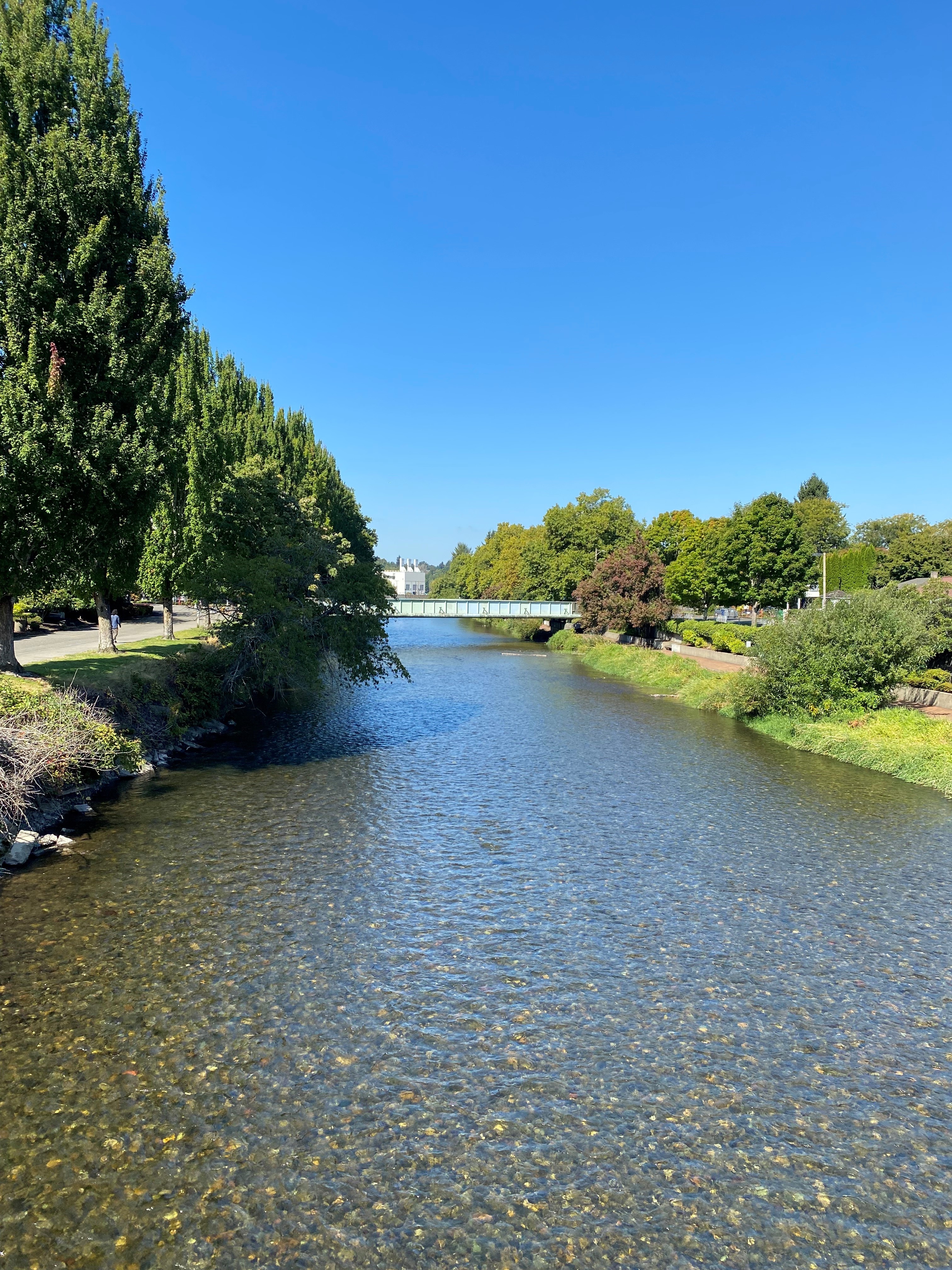

Cedar River, Renton, WA 2023

Why does Renton have Critical Areas Regulations?

  • Protect nature and wildlife
    Manage development to protect environmental quality, support a variety of species and habitats, and restore damaged natural areas whenever possible.

  • Keep people and property safe
    Prevent issues such as flooding, landslides, and hazards associated with old coal mines.

  • Ensure activities don’t harm Critical Areas or public safety
    Ensure that any activity in or near Renton's critical areas does not threaten public safety, cause nuisance, or harm the essential functions of these areas—such as preventing floods, maintaining water quality, and providing habitat.

  • Follow state and local laws
    Ensure Renton meets the requirements of the Growth Management Act, the State Environmental Policy Act, and the city's Comprehensive Plan.

  • Guide smart development
    Provide city staff with the necessary information to review and make informed decisions about projects in close proximity to critical areas, enabling us to strike a balance between growth and environmental protection.

  • Protect our rivers and streams
    Take care of places like the Cedar River and other local waterways, ensuring they remain healthy for fish, wildlife, and our community.
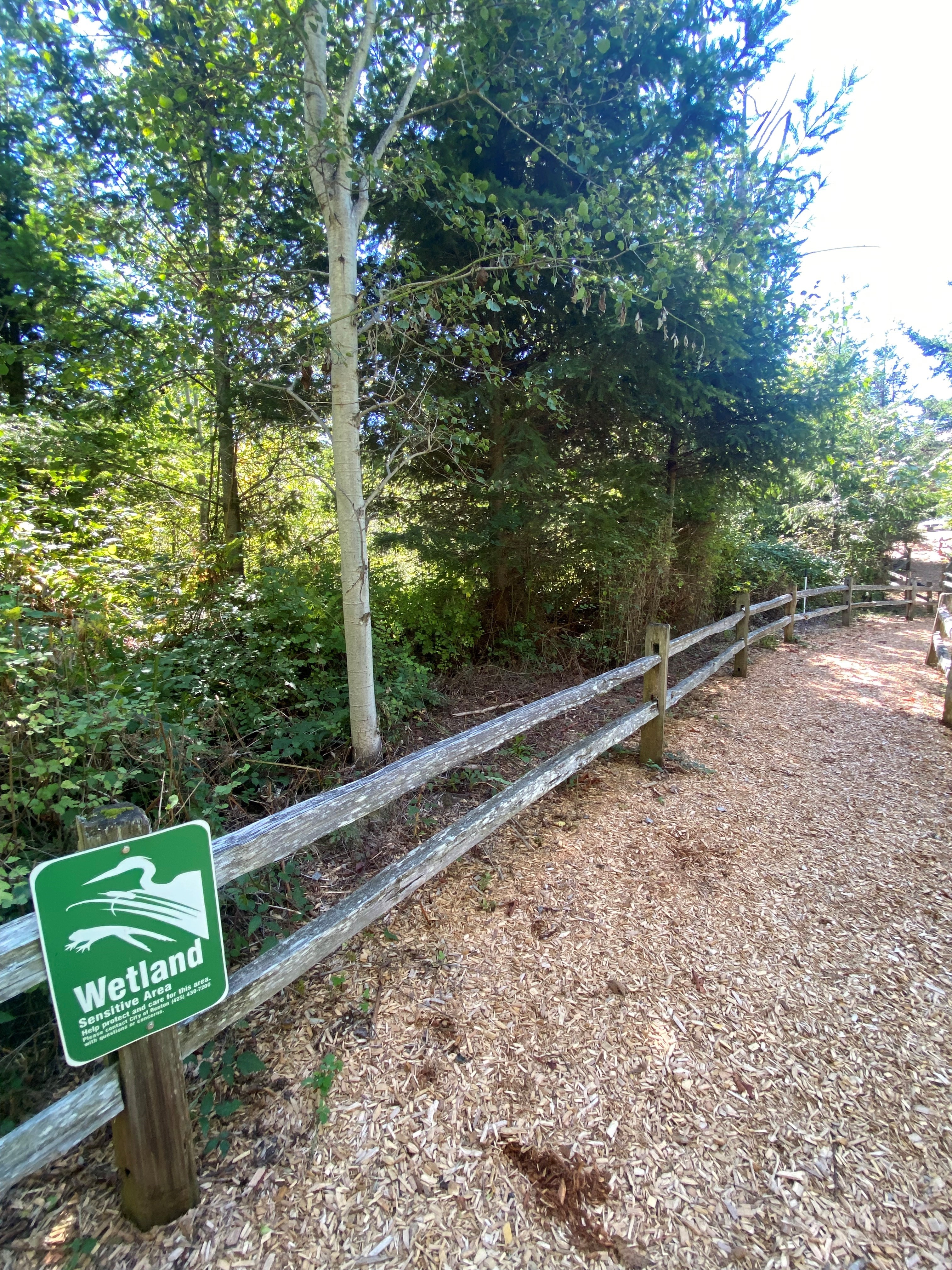

Wetland Signage, Renton, WA 2024

Why are updates to Critical Areas Regulations important?
Washington’s Growth Management Act (GMA) requires cities and counties to periodically review and update their critical areas ordinances to reflect best available science and current state guidelines. These updates must take into account new research on environmental risks, species protection, and mitigation strategies. Cities in Washington periodically update their critical areas codes mainly to comply with mandatory state law reviews, reflect advancements in science, and address local environmental and safety concerns.

The proposed revisions to the CAO are based on the latest scientific data. While the code details are still being finalized, the substantial anticipated updates include:

  • Streamlined code language: Clarifying regulatory terms, updating definitions, and ensuring references are consistent with current state law and scientific standards.
  • Addition of Channel Migration Zone (CMZ) regulations from the SMP: The provisions to address how river and stream channels may shift over time, better protecting public safety and natural habitats.
  • Wetlands alignment: Modifying requirements and standards to ensure Renton's regulations match the most recent state guidance on wetlands protection.

The Critical Areas Ordinance (CAO) is a set of development regulations that all cities and counties in Washington State are required to adopt and enforce under the state’s Growth Management Act (GMA). The GMA requires that all critical areas be designated and that all functions and values of critical areas be protected (RCW 36.70A.172). The CAO is designed to protect specific environmentally sensitive areas and safeguard the public from natural hazards such as floods and landslides. The purpose of the proposed code amendment is to align the city’s CAO with current state law and incorporate best available science (BAS) ahead of the year-end deadline.

Every ten years, counties and cities are required to take legislative action to review and, if needed, revise their comprehensive land use plans and development regulations to ensure the plans and regulations comply with the requirements of the GMA.

What is a Critical Area?
Critical areas include wetlands, streams, lakes, steep slopes, fish and wildlife habitats, flood zones, and Wellhead Protection Areas. These are defined in RMC 4-11-030.


Cedar River, Renton, WA 2023

Why does Renton have Critical Areas Regulations?

  • Protect nature and wildlife
    Manage development to protect environmental quality, support a variety of species and habitats, and restore damaged natural areas whenever possible.

  • Keep people and property safe
    Prevent issues such as flooding, landslides, and hazards associated with old coal mines.

  • Ensure activities don’t harm Critical Areas or public safety
    Ensure that any activity in or near Renton's critical areas does not threaten public safety, cause nuisance, or harm the essential functions of these areas—such as preventing floods, maintaining water quality, and providing habitat.

  • Follow state and local laws
    Ensure Renton meets the requirements of the Growth Management Act, the State Environmental Policy Act, and the city's Comprehensive Plan.

  • Guide smart development
    Provide city staff with the necessary information to review and make informed decisions about projects in close proximity to critical areas, enabling us to strike a balance between growth and environmental protection.

  • Protect our rivers and streams
    Take care of places like the Cedar River and other local waterways, ensuring they remain healthy for fish, wildlife, and our community.


Wetland Signage, Renton, WA 2024

Why are updates to Critical Areas Regulations important?
Washington’s Growth Management Act (GMA) requires cities and counties to periodically review and update their critical areas ordinances to reflect best available science and current state guidelines. These updates must take into account new research on environmental risks, species protection, and mitigation strategies. Cities in Washington periodically update their critical areas codes mainly to comply with mandatory state law reviews, reflect advancements in science, and address local environmental and safety concerns.

The proposed revisions to the CAO are based on the latest scientific data. While the code details are still being finalized, the substantial anticipated updates include:

  • Streamlined code language: Clarifying regulatory terms, updating definitions, and ensuring references are consistent with current state law and scientific standards.
  • Addition of Channel Migration Zone (CMZ) regulations from the SMP: The provisions to address how river and stream channels may shift over time, better protecting public safety and natural habitats.
  • Wetlands alignment: Modifying requirements and standards to ensure Renton's regulations match the most recent state guidance on wetlands protection.
  • Latest updates on the Critical Areas Ordinance

    Share Latest updates on the Critical Areas Ordinance on Facebook Share Latest updates on the Critical Areas Ordinance on Twitter Share Latest updates on the Critical Areas Ordinance on Linkedin Email Latest updates on the Critical Areas Ordinance link

    During the Planning & Development Committee meeting on Monday, November 10, city staff presented their proposed recommendations and updates to the Critical Areas Ordinance.

    The city's recommendations were determined based on best available science, current state law, and public feedback.

    The amendments to the existing ordinance include:

    • Updates terminology and definitions to reflect current state standards and incorporate the best available science.
    • Inclusion of the Channel Migration Zones to provide clarity and ensure proactive management of potential stream movement areas.
    • Refines stream buffer requirements, including criteria for lighting, noise, runoff control, vegetation, and buffer edges to support stream function.
    • Adopts a tiered approach to wetland buffer widths, with standard and increased buffer distances based on ecological criteria, land use, and site-specific conditions, rather than a blanket increase.

    View the full presentation here.

    City staff will seek approval from the council on the updated ordinance next month. The first reading of the ordinance will be held on December 1, with the final reading on December 8. Staff aim to have the updated ordinance adopted by the end of 2025.

Page last updated: 21 Nov 2025, 10:23 AM